

Anomaly Detection using Azure Quantum QIO
Mphasis · Intelligence & Research
Certification per Microsoft Marketplace.
Evidence tier Source Confirmed · 7 captures on record
What the publisher says
As described on Microsoft Marketplace.
This solution is a QIO (quantum Inspired Optimization) based deep learning approach to learn and understand the patterns in transactional data. It aims at learning the normal behavior patterns of the transactions during the training process using a generative pattern recognition algorithm. Once trained, the model can identify abnormal patterns of transactions, thereby classifying them as anomalous.
Anomaly Detection using Azure Quantum QIO can be used to identify transactions that are spurious given the transaction pattern of the customer. Identified spurious transactions can be flagged to the customer or blocked. This solution can be used by Banks, Credit Card Issuers, etc.
Show the rest of the publisher’s description (2 more lines)
This solution uses a semi-supervised approach-based generative deep learning model to learn normal transaction patterns using non-fraudulent data and then builds a 1-rule threshold model using data from both classes to identify the anomalous transactions using the inclusion-exclusion principle. The solution also allows for re-training to capture information drift.
Need customized Quantum Computing solutions? Get in touch!
Preview
4 images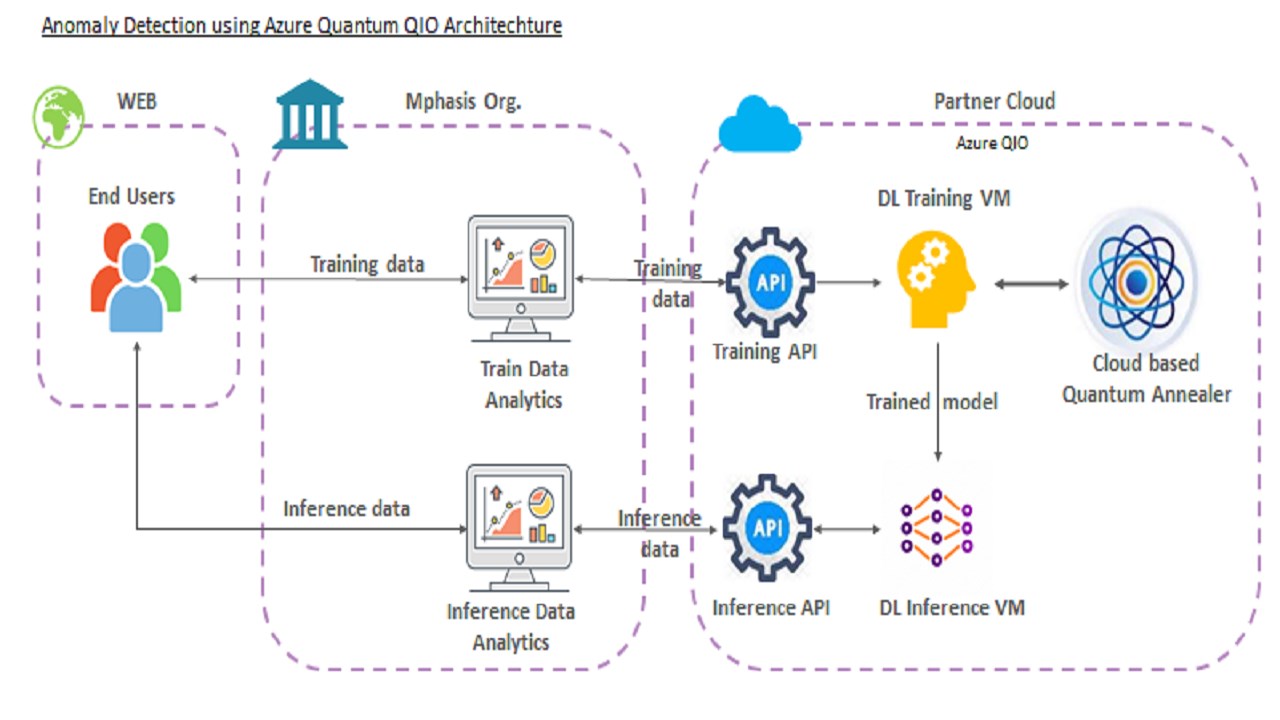
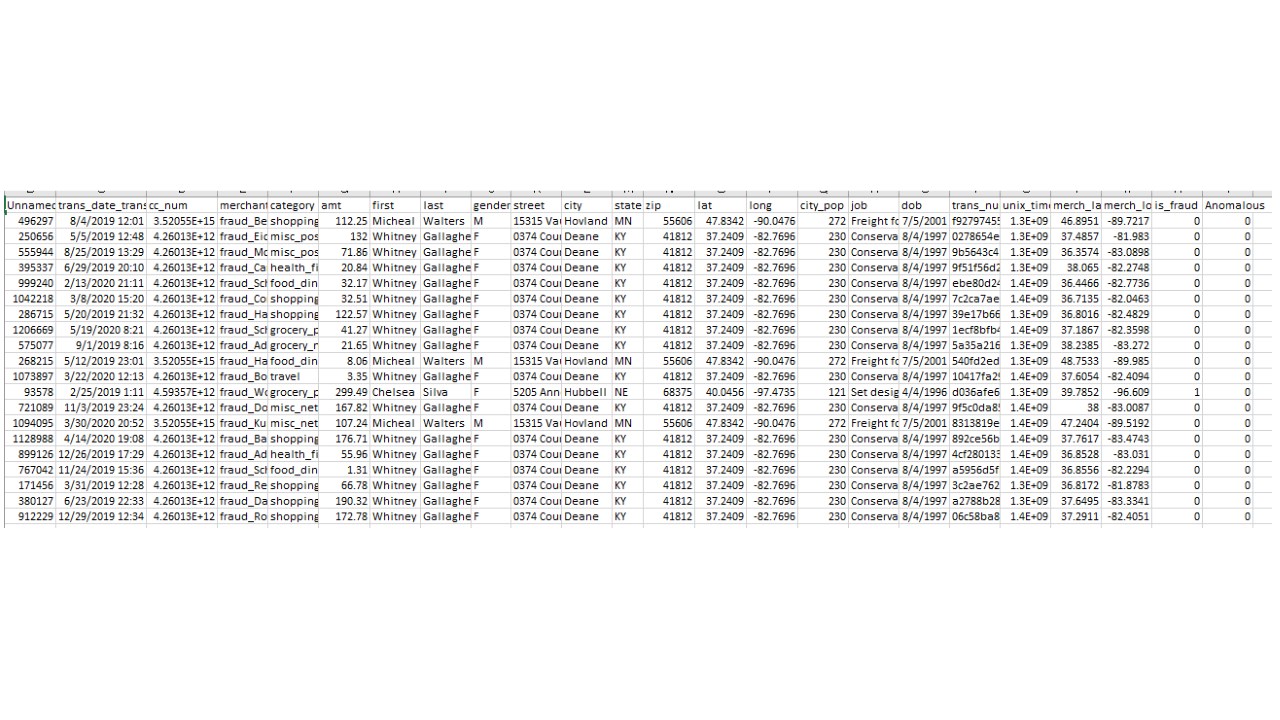
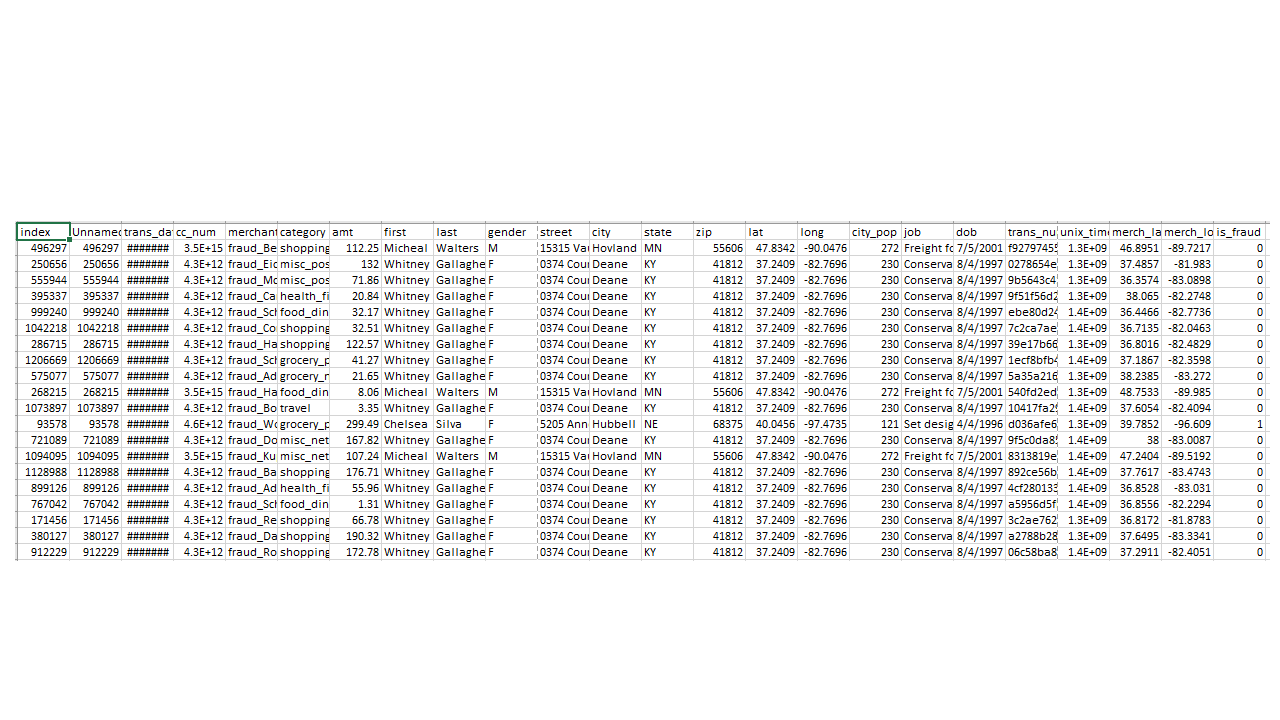
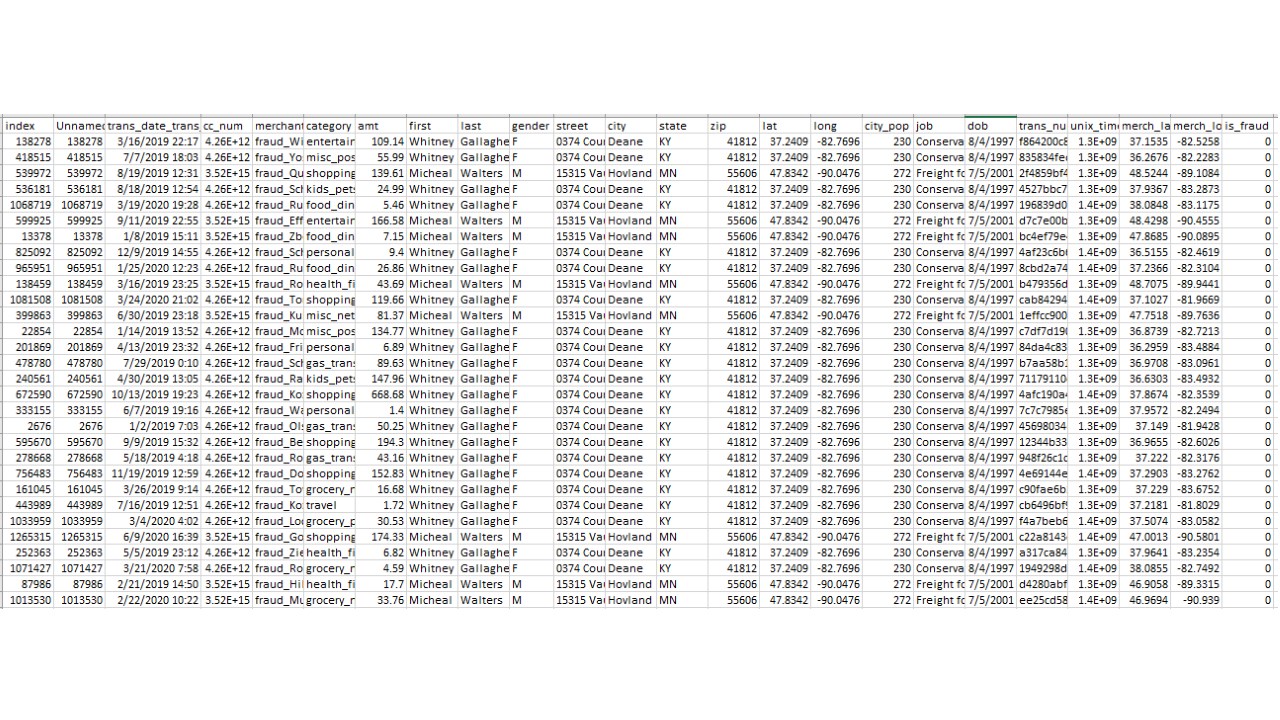
Agent build and provenance
See the full provenance
The layer-by-layer build, the evidence behind each claim, the risk basis and the cross-marketplace links are open to any account. Some rows are disclosed, some the source leaves Unknown; a free account shows you which.
Compliance
- FedRAMPConfirmedNot listed90%, registry-checkedNo FedRAMP Marketplace entry matched this vendor's domain, checked 2026-08-27registry recordas observed 2026-08-27
Confirmed means matched to a public authoritative registry. Claimed means the vendor or its listing states it, not yet cross-checked. A framework not shown was not found in any source we hold, which is not evidence against it. Not listed means a scoped registry check found no match for this vendor's domain: a No is a scoped registry check, not a compliance judgment. Confidence bands: 95% domain-verified, 90% registry-checked, 80% self-attested, 70% weak signal. Self-attested items marked “vendor's site” are gathered from the vendor's own website and are not verified by us.
Vendor
External enrichment · as of 2026-08-29
Sources
Publisher resources
1 linkLinked repositories
Unknown means this listing does not publish a repository. It is not a statement that the code is closed, and a linked repository is not a claim that the publisher wrote it: the registry computes that relationship privately and does not publish it.
Evidence risk is the share of the build you cannot see before you deploy, not a security rating. Sign in to see the layer-by-layer basis for this band.