

BIP AGENT GUARD
Business Integration Partners · Intelligence & Research
Certification per Microsoft Marketplace.
Evidence tier Source Confirmed · 6 captures on record
What the publisher says
As described on Microsoft Marketplace.
Description
Agent Guard SaaS is an enterprise‑grade multi‑agent
Show the rest of the publisher’s description (61 more lines)
guardrail, testing, and monitoring platform that secures Generative AI
applications end‑to‑end. It combines rule‑based filters, ML detectors, LLM
reasoning agents, and user‑journey simulations to prevent unsafe outputs,
detect vulnerabilities, optimize UX, and ensure regulatory compliance.
Target Users
AI engineering teams, UX/product teams, compliance‑driven industries (finance,
healthcare, public sector), and any enterprise scaling LLM applications.
Customer Pain Solved
It addresses the inability of traditional testing to detect real‑world
failures, reduces UAT and maintenance costs, prevents hallucinations and
compliance breaches, identifies UX issues before launch, and provides
continuous protection and monitoring throughout the AI product lifecycle.
Detail:
- Description of the Offer
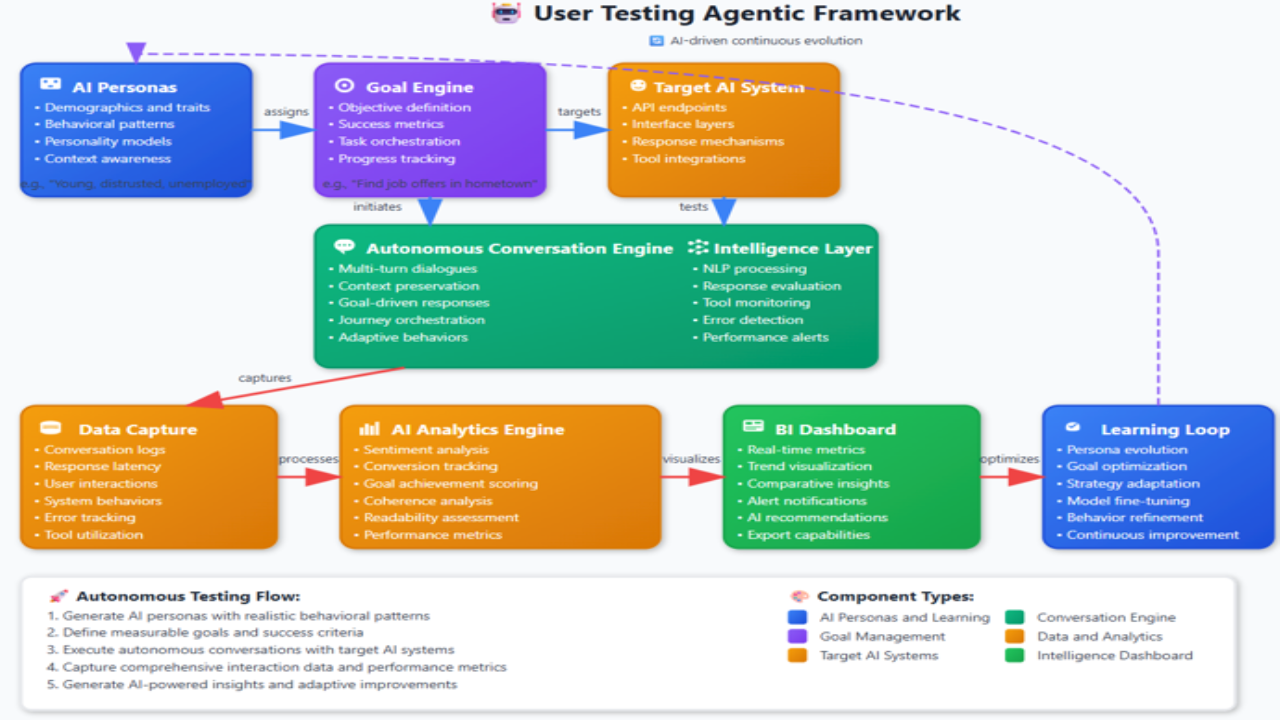
Agent Guard SaaS is a multi‑agent
guardrail and evaluation platform designed to secure, test, and
continuously monitor Generative AI applications in real‑world conditions. It
integrates several categories of AI agents—including guard, supervisor,
adversarial, monitoring, explainability, and optimization agents—to protect AI
products and improve their performance across safety, compliance, UX
quality, and operational reliability.
- Type of User That Benefits from This Offer
A) AI Product Teams & Engineering Organizations: Teams
responsible for designing, building, deploying, and maintaining LLM‑based
systems benefit from continuous testing, guardrails, and automated
troubleshooting;
B) Companies operating in regulated or high‑risk sectors:
Healthcare, finance, public sector, and any domain where compliance and
misinformation risk is high that typically require Fact‑checking, PII
protection, Copyright and compliance enforcement, Multi‑modal moderation;
C) UX, Product & Customer Experience Teams: Because the
system simulates real users with real emotions, needs, and behaviors, it
directly benefits Product owners, UX researchers, Service designers, Customer
support quality teams;
D) Enterprises scaling LLM usage: Companies expecting
widespread internal or external adoption of AI agents and copilots benefit from
the consumption‑based, scalable model described in the deck.
- Customer needs & pain points addressed
A) Traditional GenAI evaluations fail to capture real user
behavior: current evaluation methods focus on correctness, not on user
journeys, leading to AI systems that seem fine in testing but fail in the wild:
Missed implicit user needs, Inability to keep users engaged, Incorrect
assumptions about user intent, Failed task completion even when answers seem
“correct”.
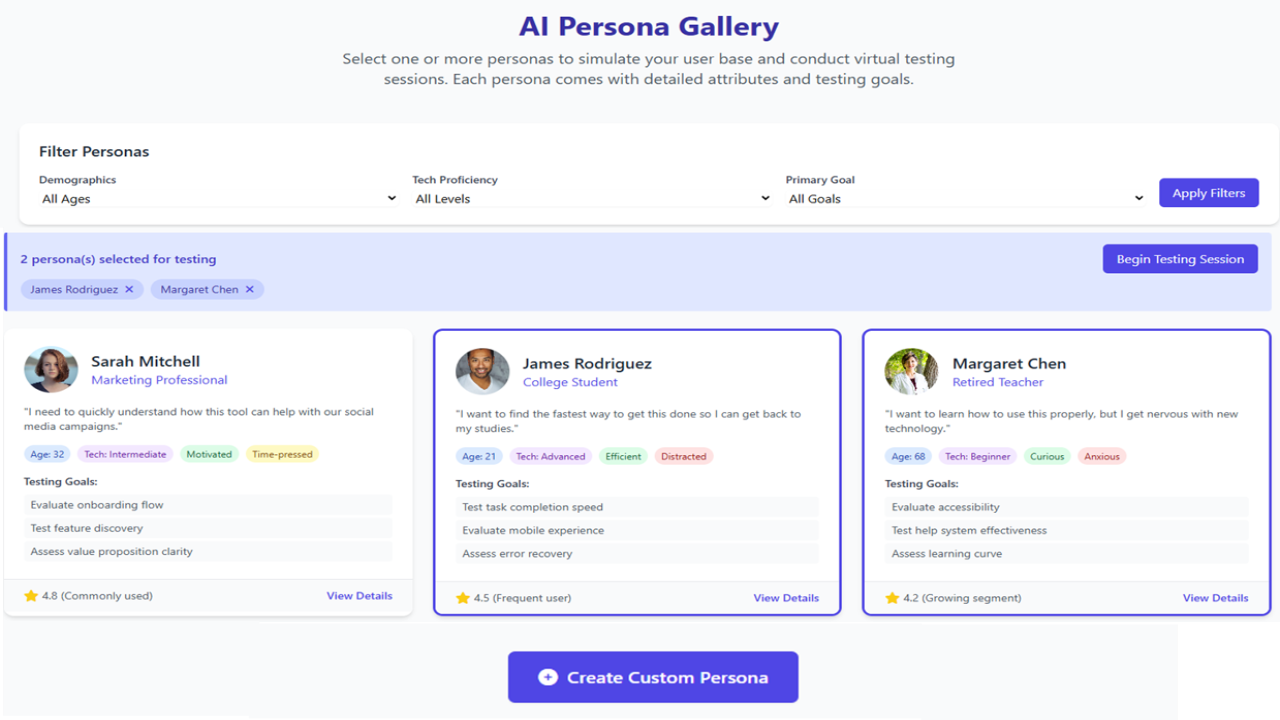
Agent Guard solves this by simulating diverse
personas—motivated, unmotivated, confused, expert, novice—to detect where the
AI fails to support real humans.
B) Need for continuous monitoring and defense in production:
Offline testing alone is insufficient and real‑time user behavior must be
observed to avoid failures in production environments. The solution monitors:
Model drift, Unsafe outputs, Regulatory risks, Hidden vulnerabilities, Latency
or token inefficiency issues, Reputational damage from hallucinations or
harmful content.
C) High cost and complexity of manual UAT and AI safety
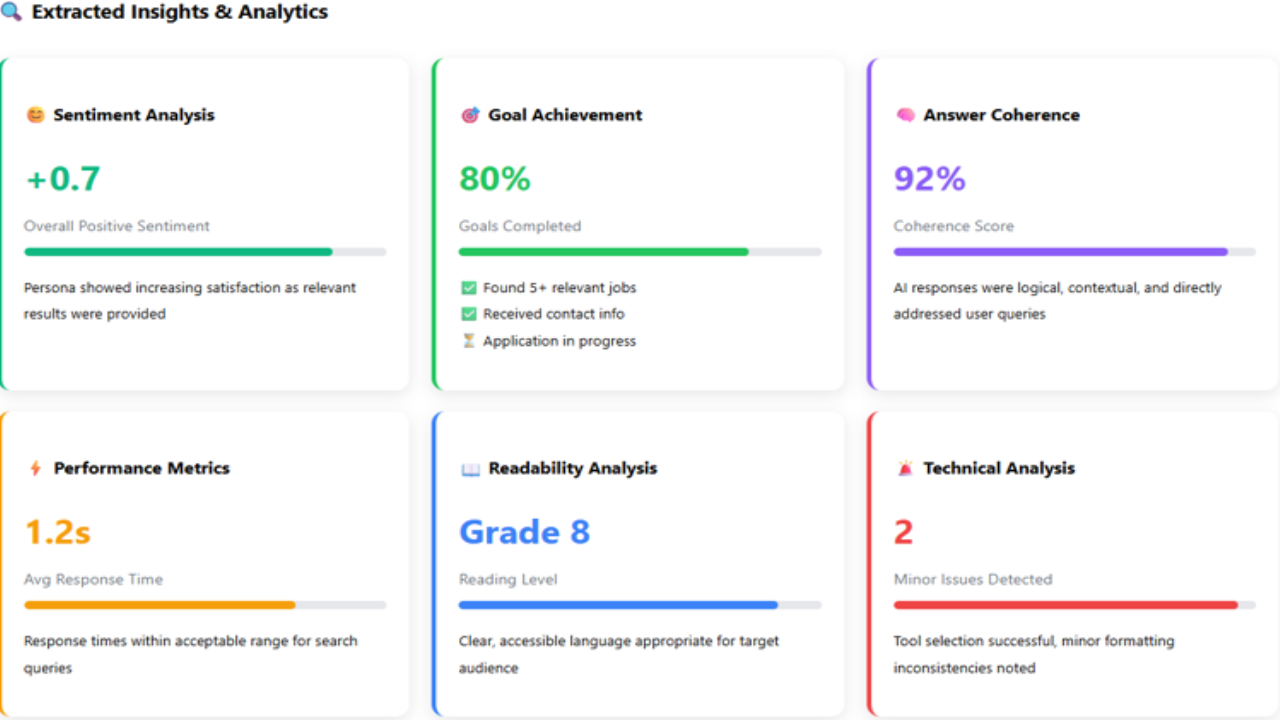
testing: The solution provides automated multi‑agent testing, Persona × goal ×
channel matrix coverage, Insights, warnings, optimization suggestions, Cost‑per‑token
optimized testing and guardrails, Predictable consumption model for budgeting.
D) Enterprises need to comply with laws (GDPR, AI Act,
etc.): The solution evaluates if your agent respect compliance requirements,
the risks of PII exposure, need to prevent copyright violations, need for
governance over AI system behavior.
Preview
5 images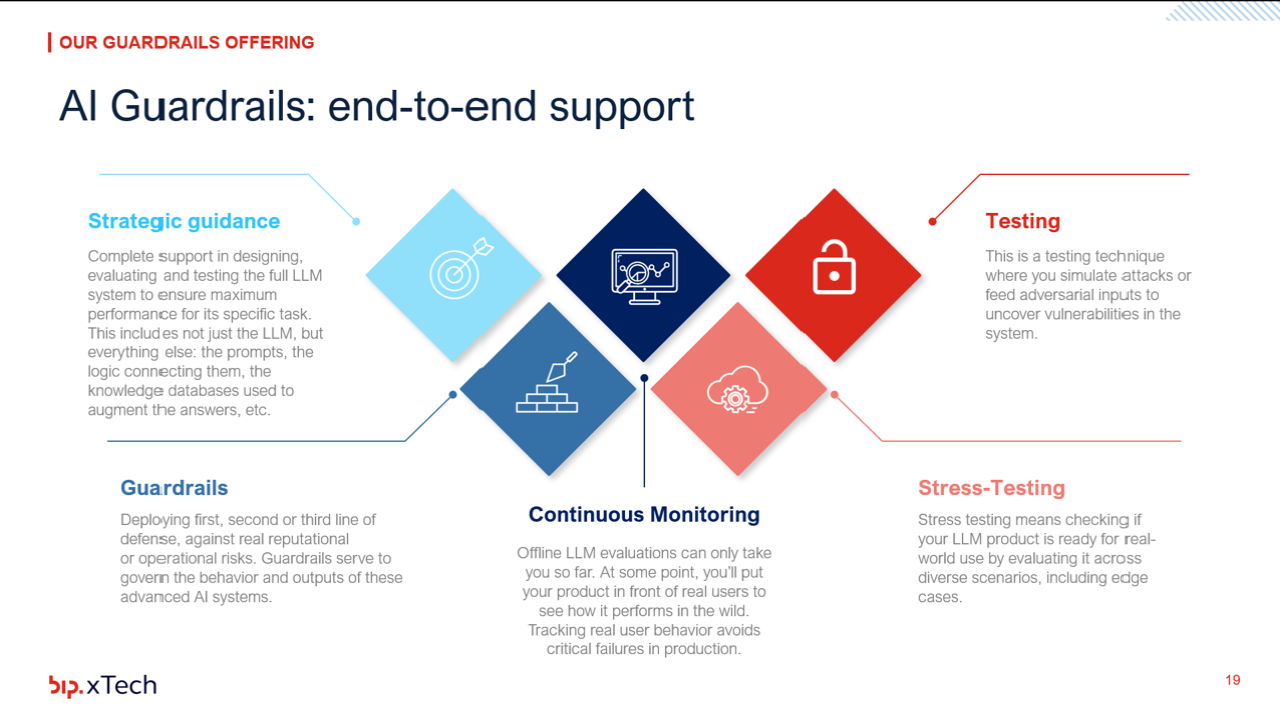
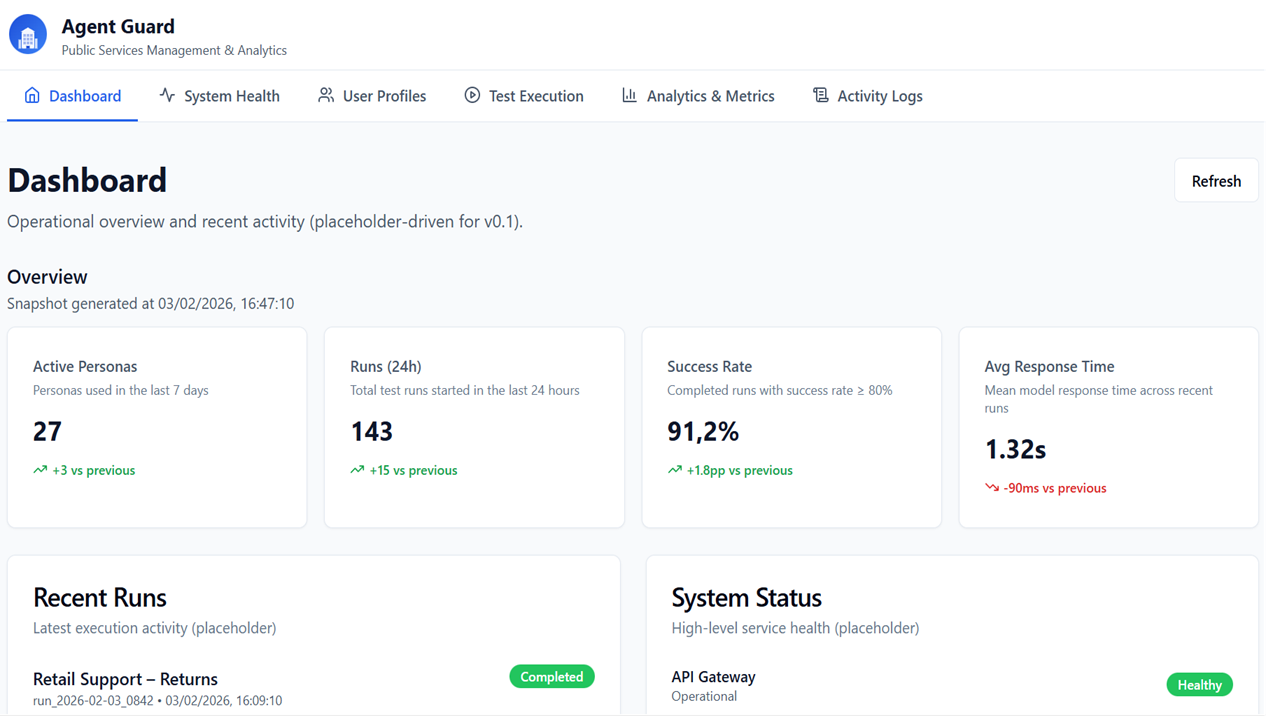
Agent build and provenance
See the full provenance
The layer-by-layer build, the evidence behind each claim, the risk basis and the cross-marketplace links are open to any account. Some rows are disclosed, some the source leaves Unknown; a free account shows you which.
Compliance
- FedRAMPConfirmedNot listed90%, registry-checkedNo FedRAMP Marketplace entry matched this vendor's domain, checked 2026-08-27registry recordas observed 2026-08-27
Confirmed means matched to a public authoritative registry. Claimed means the vendor or its listing states it, not yet cross-checked. A framework not shown was not found in any source we hold, which is not evidence against it. Not listed means a scoped registry check found no match for this vendor's domain: a No is a scoped registry check, not a compliance judgment. Confidence bands: 95% domain-verified, 90% registry-checked, 80% self-attested, 70% weak signal. Self-attested items marked “vendor's site” are gathered from the vendor's own website and are not verified by us.
Vendor
External enrichment
Sources
Publisher resources
1 linkLinked repositories
Unknown means this listing does not publish a repository. It is not a statement that the code is closed, and a linked repository is not a claim that the publisher wrote it: the registry computes that relationship privately and does not publish it.
Evidence risk is the share of the build you cannot see before you deploy, not a security rating. Sign in to see the layer-by-layer basis for this band.